Is It Time to Replace Your Roof? Key Factors Homeowners Often Overlook
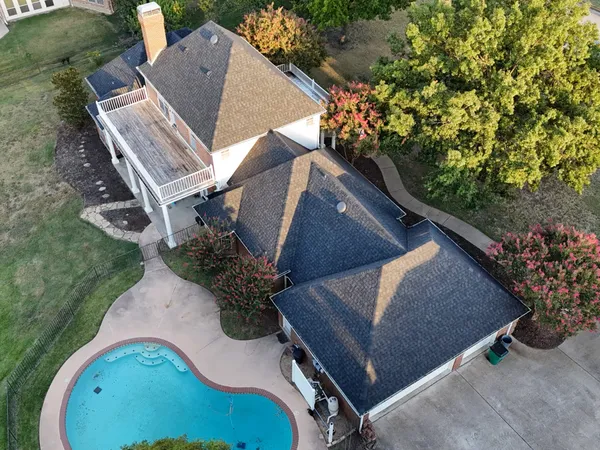
Replacing a roof can be a major home improvement project, but knowing when to act can protect your investment and ensure the safety and comfort of your family. Many homeowners forget to look beyond visible damage, but with Texas weather as unpredictable as it is, staying proactive can make all the difference. Below, you’ll discover key factors often overlooked that signal it may be time for a roof replacement.
The Age of Your Roof Matters More Than You Think
One of the most telling indicators of a roof’s condition is its age. Homeowners may not realize how quickly the years add up, especially in Texas where intense sunshine and seasonal storms can accelerate wear. Most asphalt shingle roofs last about 20–25 years, whereas premium materials such as slate or metal can survive much longer. However, no material is immune to the passage of time.
- If your roof is approaching or has surpassed its expected lifespan, it should be inspected, even if there are no visible leaks
- Roofing near its lifespan typically shows subtle signs, like a loss of granules or curling shingles
- If yours was installed over an existing layer, the underlying materials may be even more at risk
Material Type and Its Impact on Durability
Different roofing materials react distinctly to the heat and humidity of North Texas. Homeowners sometimes overlook how material selection in the initial build affects future roof maintenance, repair, and replacement needs.
- Asphalt shingles are affordable and popular but can crack or warp after a decade or two in the Texas sun
- Metal roofing offers excellent longevity, but high winds may loosen fasteners over time
- Clay and concrete tiles hold up well, but shifting foundations or impacts from hail can cause hidden cracks
Knowing your current roof material and how it typically stands up to the local climate can help in spotting the right time for a full replacement.
Weather Exposure: The Hidden Accelerant
Grapevine and surrounding areas face unique weather challenges. Between searing summer heat, severe thunderstorms, hail, and even the occasional freeze, every roof in the Metroplex takes a beating. Sometimes the effects are dramatically visible, but many issues manifest subtly.
- Dark streaks or patches can indicate algae growth from excess moisture, undermining shingle integrity
- Persistent attic humidity may point to compromised ventilation, commonly overlooked in older roofing systems
- Following major storms, quietly check for shingle loss, flashing displacement, or water stains on ceilings
These are all early indicators that a roof replacement could be due.
Structural Issues: The Dangers Lurking Below
Surface wear is only part of the story; true roof health depends on what’s underneath. Damage to decking, underlayment, or support beams often stays hidden until a serious issue occurs. Regular inspections by a professional are important, especially after storms or if leaks develop.
- Unexplained mold or mildew in your attic frequently signals moisture intrusion past the waterproof barrier
- Sagging rooflines are a clear indication of major structural failure
- Consistent leaks, even if small, can rapidly damage insulation and drywall, resulting in escalating repairs and greater costs without intervention
In the DFW area, the rapid changes in humidity and temperature can cause these structural issues to evolve quickly, so being proactive is essential.
Ready to Take Action on Your Roof Replacement?
If you’re noticing any of these concerns, or just want peace of mind about your roof’s longevity, don’t hesitate to reach out to roofing specialists who understand the unique climate challenges of the Dallas/Fort Worth area. Apex Premier Roofing & General Contracting provides thorough inspections and reliable roofing solutions, from roof repair and maintenance to storm damage restoration.
Schedule a professional evaluation or contact us today. Protect your home investment and stay ahead of costly repairs.